Why Textured Tiles Are Transforming Modern Interiors
For years, modern interior design was defined by flat, glossy, minimal surfaces. That era is ending. Today's architects, interior designers and homeowners are asking for something you can feel as well as see, and textured tiles have become the answer. From subtly structured concrete-effect floors to sculptural 3D wall tiles, texture is now the fastest-growing trend in surface design.
At RAK Ceramics, texture is not a finish applied at the end of the process. It is engineered into the porcelain body, the surface structure and the way light moves across each collection. Here are four reasons textured tiles are transforming modern interiors, and how RAK Ceramics collections make the trend work in real spaces.
Texture adds depth and warmth that flat surfaces cannot
Minimalist interiors often struggle with one problem: they can feel cold. Textured tiles solve this without adding clutter. A structured surface catches light differently throughout the day, creating shadow, contrast and movement even in a monochrome palette. A single textured feature wall can give a room the visual richness of layered décor while keeping the design disciplined.
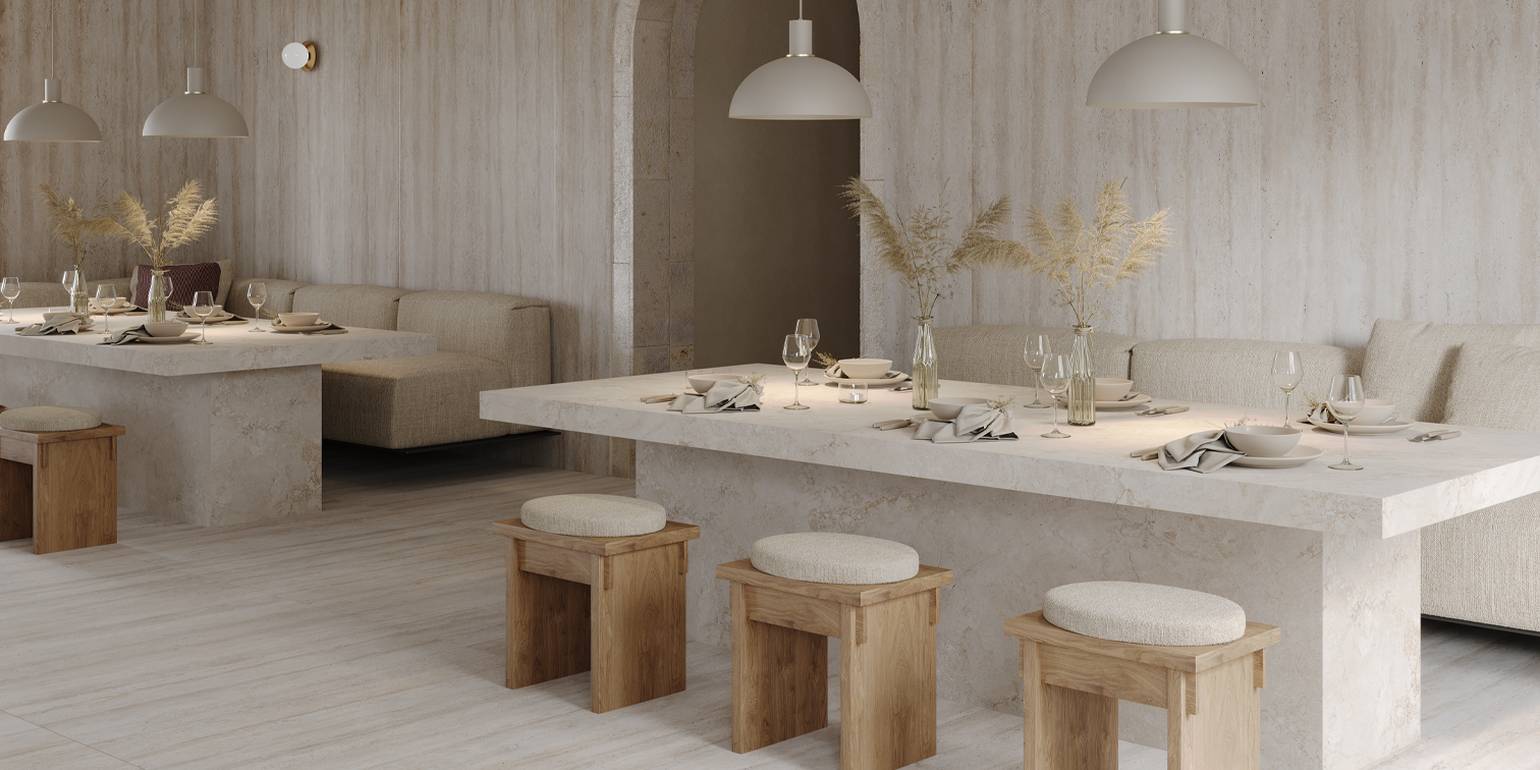
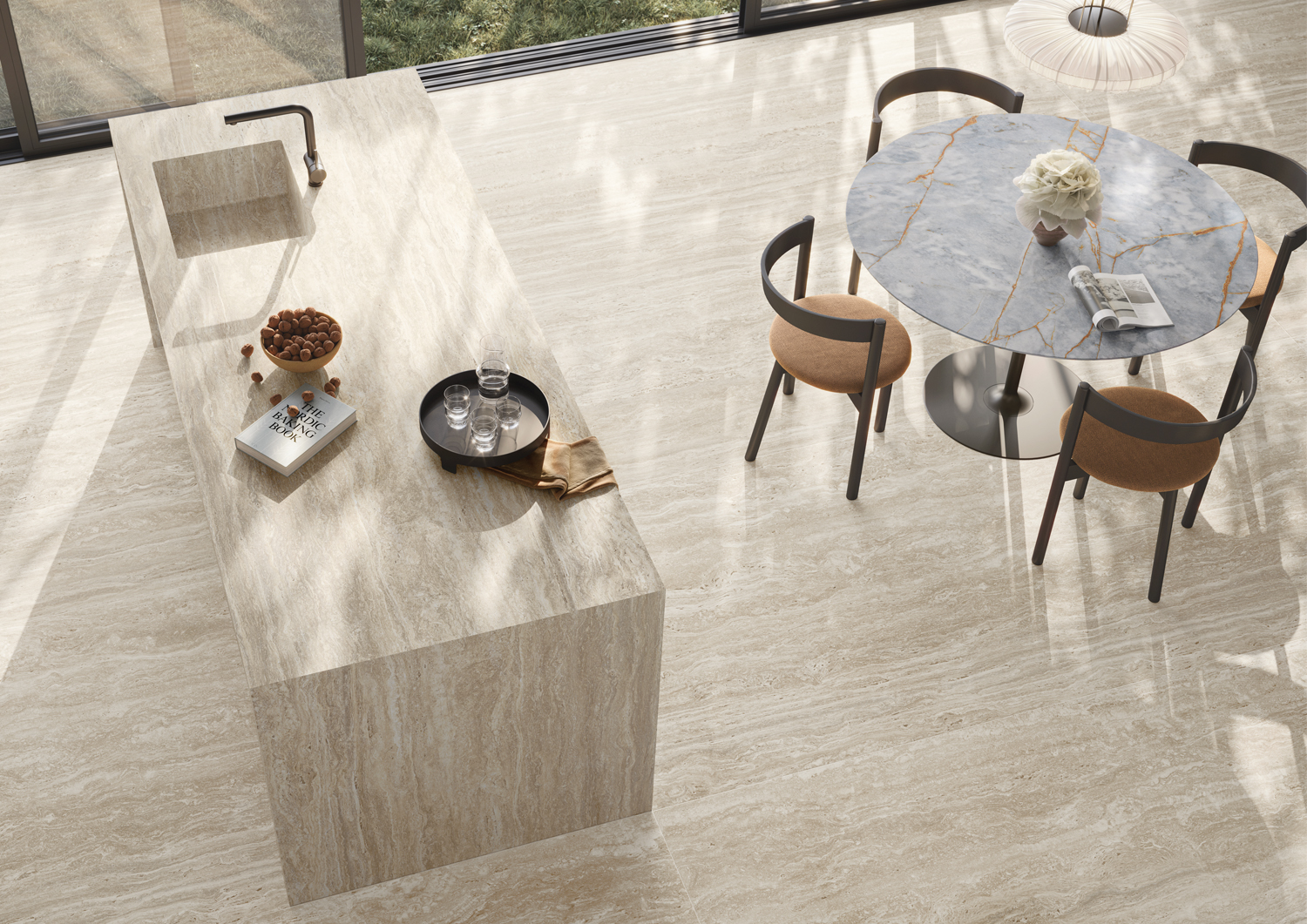
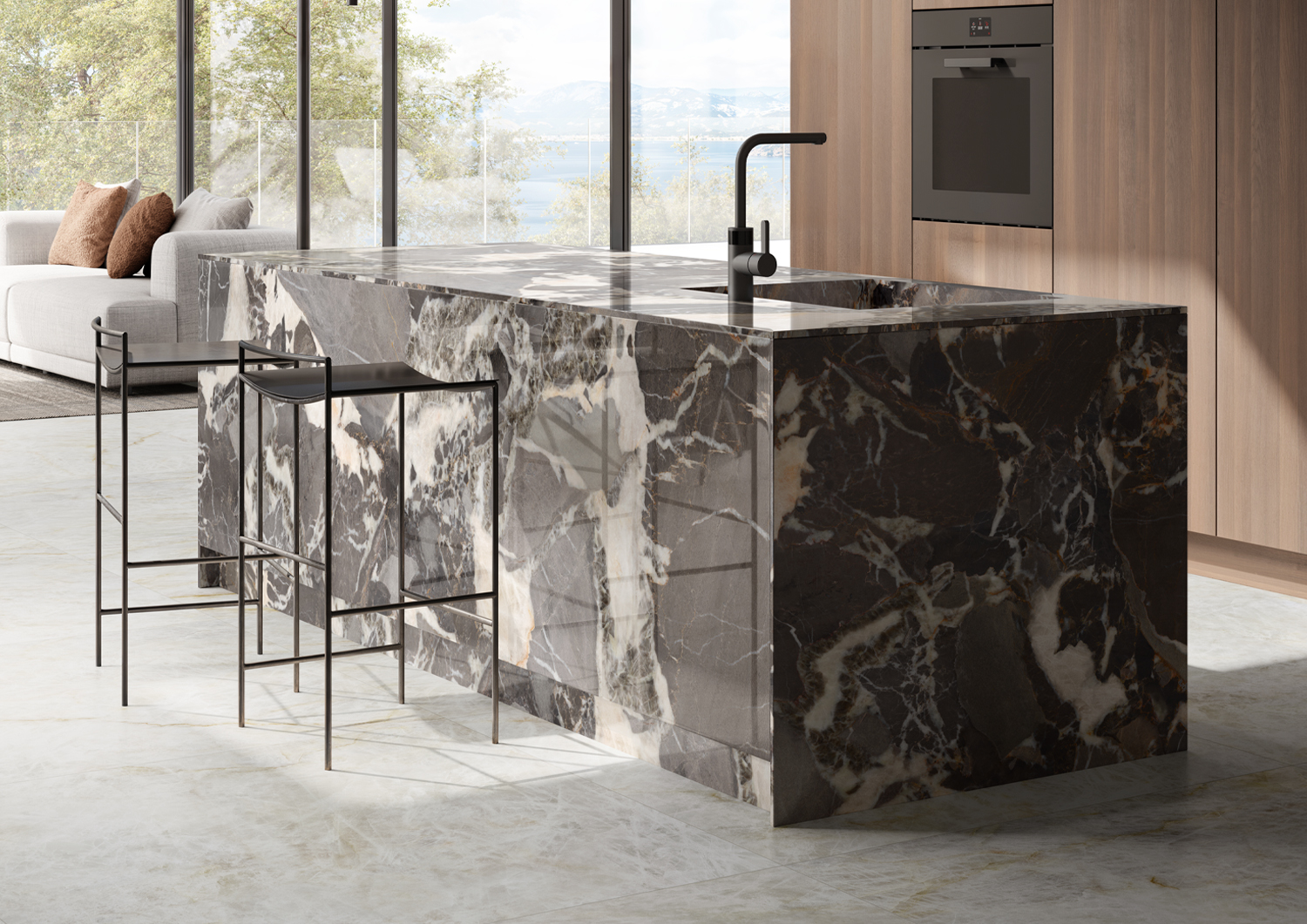
This is where stone-effect porcelain tiles have found their moment. I Sassi Matera collection reinterprets the weathered stone of southern Italy in textured porcelain, bringing the depth of natural stone to walls and floors with none of the maintenance. Montpellier Stone and Pietra di Bourges Soft follow the same principle, offering the softly structured character of French limestone in a durable, easy-to-clean porcelain
tile. The result is a space that feels warm and grounded, with the technical performance of modern ceramics.
Textured tiles bring the biophilic trend indoors
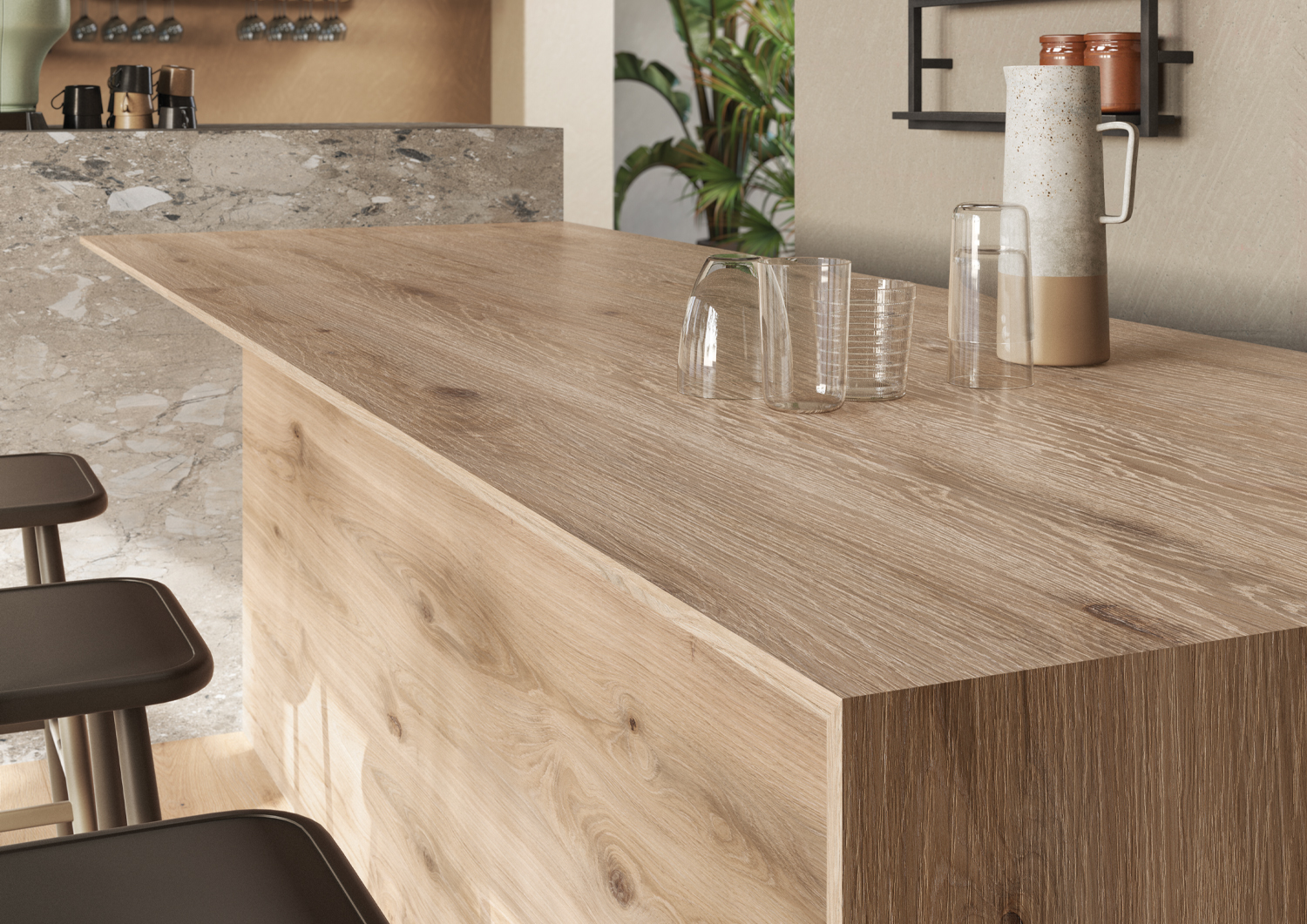
Biophilic design, the practice of connecting interiors to nature, has moved from a niche idea to a mainstream expectation in both residential and hospitality projects. Textured tiles are one of the most practical ways to achieve it. Wood-effect and stone-effect porcelain tiles reproduce not only the colour of natural materials but their grain, veining and surface relief, so the connection to nature is tactile rather than merely visual.
Wood-effect porcelain tiles in particular have transformed how designers approach flooring. RAK Ceramics wood-effect collections such as Sapien Wood deliver the look and feel of timber planks with the water resistance and wear resistance of porcelain, which means the same natural texture can flow from a living room through to a bathroom, a kitchen or a covered terrace. For designers, this continuity of textured surfaces across wet and dry areas is a genuine game changer.
Texture improves performance, not just aesthetics
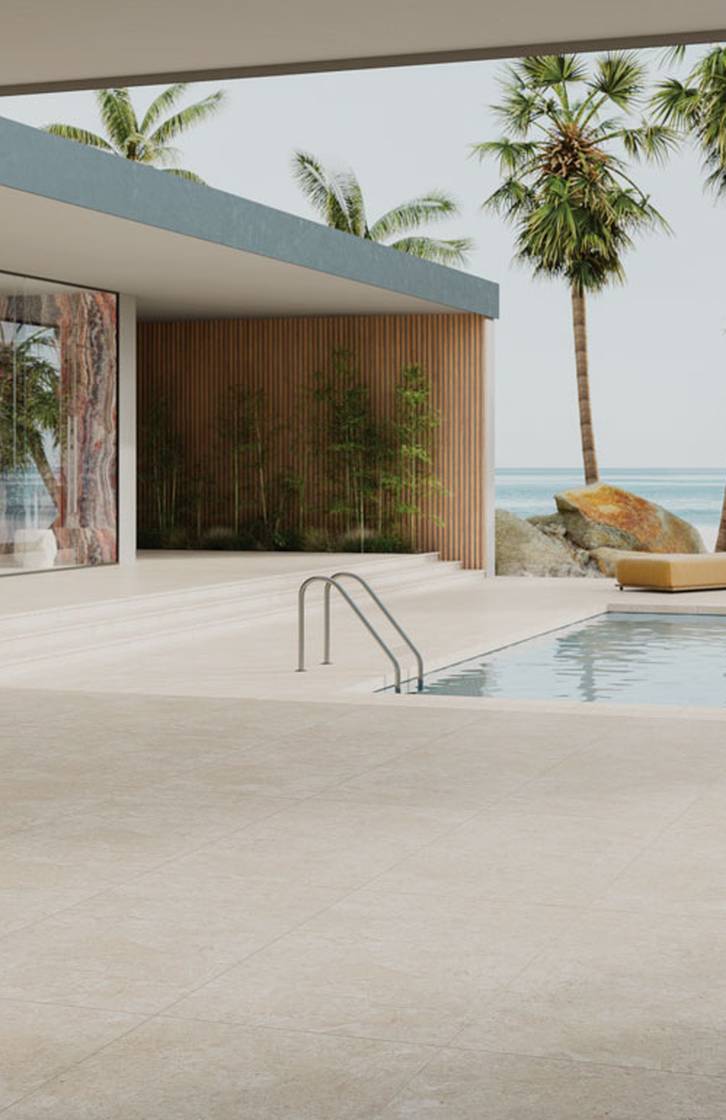
One of the least discussed benefits of textured tiles is safety. Structured and anti-slip surfaces provide better grip underfoot, which makes textured floor tiles the natural choice for bathrooms, wet rooms, pool surrounds, outdoor terraces and commercial spaces where slip resistance is a regulatory requirement, not a preference.
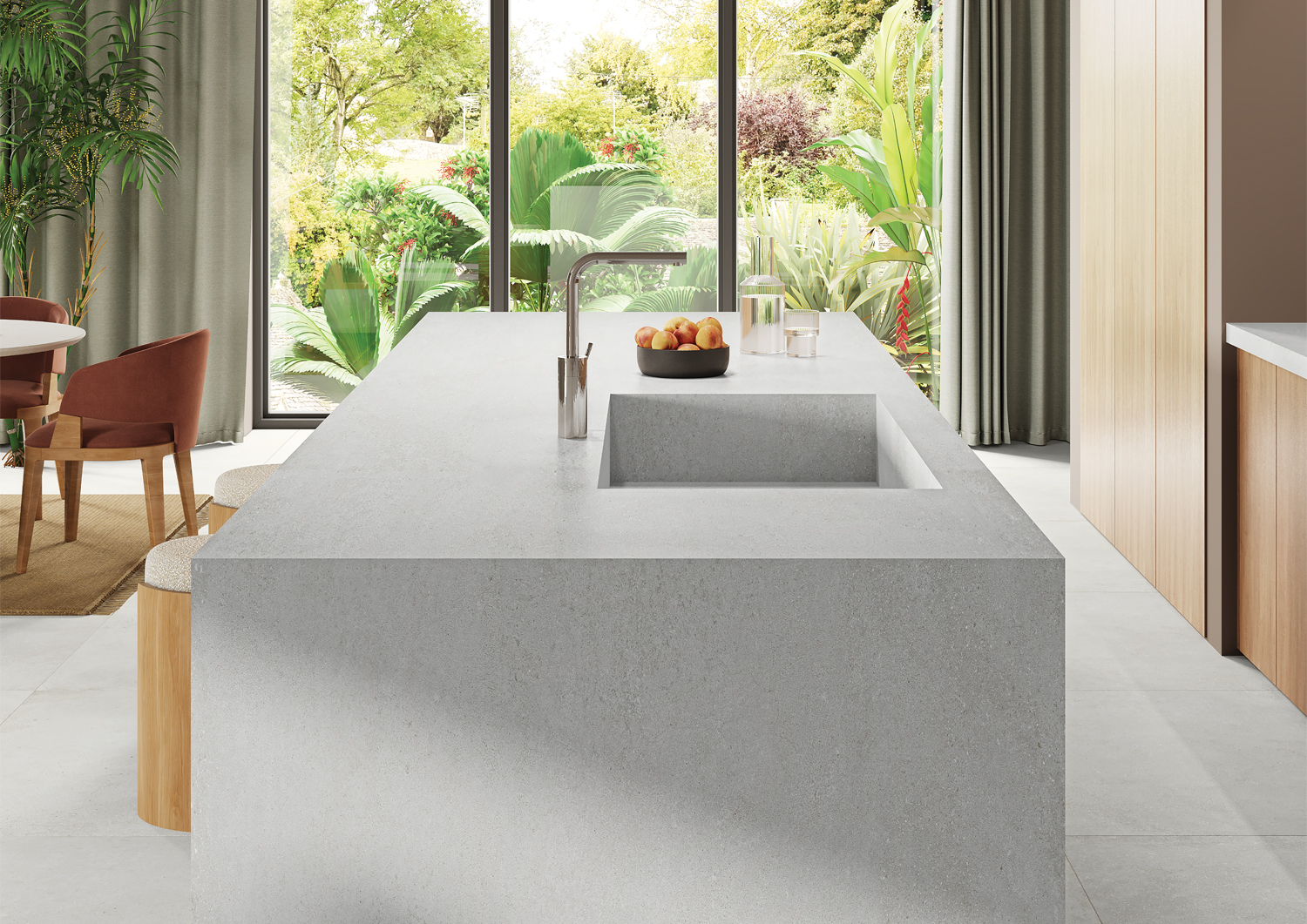
Structured porcelain tiles also hide wear and everyday marks far more effectively than polished surfaces, so high-traffic areas stay looking new for longer. RAK Ceramics develops many of its stone-effect and concrete-effect collections in multiple surface finishes, from smooth matt to structured and anti-slip versions, so the same design can be specified indoors and outdoors with a consistent look. For architects working on large projects, this is what turns a beautiful textured tile into a specifiable, compliant one.
Textured tiles create statement walls and modular design freedom
Modern interiors increasingly rely on one strong architectural gesture rather than many small decorative ones. Textured wall tiles, 3D tiles and relief patterns are ideal for this. A headboard wall, a kitchen splashback, a hotel reception or a shower enclosure can become the focal point of the entire space through surface texture alone.
RAK Ceramics' Creative Concrete collection was designed precisely for this kind of flexibility. Built on a concrete-effect base, it evolves into stone textures, decorative patterns and brick formats, with the light-structured P Brick module in an elongated format that lets designers create rhythm and relief across a wall in eight contemporary colours. Because the range is modular, one collection can deliver a textured feature wall, a coordinating floor and a decorative accent within a single, coherent aesthetic.
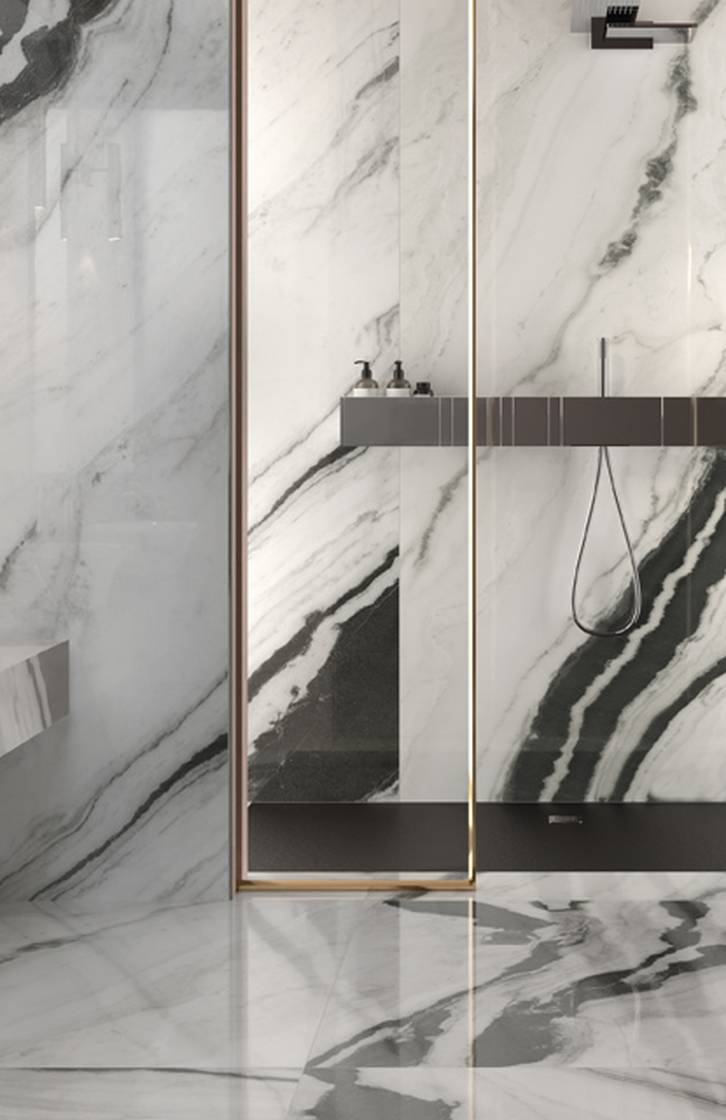
At the other end of the scale, RAK Ceramics' MAXIMUS large-format porcelain slabs allow texture to be expressed on a monumental scale, with full-body stone and marble surfaces that flow across walls, floors, worktops and furniture with minimal joints. Texture no longer has to be small to be tactile.
Designing with texture: a few practical tips
Texture works best with restraint. Pair one strongly textured surface with calmer, smoother finishes so the feature reads clearly. Consider how light will enter the room, because textured tiles are most dramatic under raking light from a window or a wall washer. And always check the surface finish against the application: a light structure is ideal for walls and dry interiors, while structured or anti-slip finishes belong in bathrooms, outdoor areas and commercial floors.
Textured tiles are transforming modern interiors because they answer three demands at once: the emotional need for warmth and connection to nature, the practical need for safety and durability, and the creative need for surfaces that make a statement.